Bidulginang Falls and Hantangang River Geopark: geology meets hiking near Seoul
About an hour northeast of Seoul, in Pocheon, Gyeonggi-do, sits one of Korea's most underrated natural escapes — a UNESCO-designated geopark anchored by the dramatic Bidulginang Falls, where columnar basalt cliffs frame a waterfall that shifts personality with the seasons. If you're tired of the Myeongdong crowds and want a half-day or full-day trip that feels genuinely off-the-tourist-trail, this is the move. The geopark spans the Hantangang River valley, a geological story written in rock formations that date back millions of years — the kind of place where you can actually feel the earth's history under your feet, not just read about it in a museum placard.

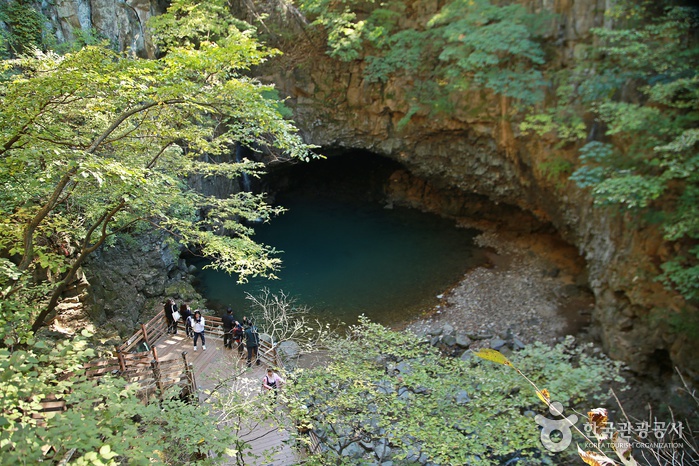
The falls themselves are the main draw: a clean drop over hexagonal basalt columns that look almost too geometric to be real. The surrounding area is threaded with hiking trails that range from easy riverside walks to more involved climbs, so you can calibrate the trip to your energy level. Spring brings wildflowers and snowmelt intensity to the water; summer is lush and green; autumn turns the cliffs into a backdrop for golden foliage; winter is quieter, with frost-edged rocks and a more austere beauty. The geopark designation means the landscape is protected and interpreted — you'll find signage explaining the geological formations as you walk, which transforms a casual hike into something closer to an outdoor geology lesson.
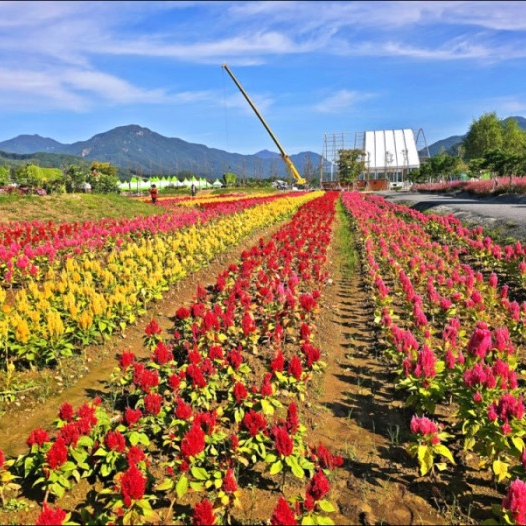
The experience is fundamentally different from Seoul's manicured parks or the crowded mountain trails near the city. There's a rawness here — the river runs fast and cold, the rocks are genuinely ancient, and the silence is the kind that makes you realize how much ambient noise you've been tuning out. Bring proper hiking shoes (the trails can be rocky and muddy depending on recent weather), a water bottle, and a camera if you're into landscape photography; the columnar formations photograph obsessively well from multiple angles.

Pocheon itself is small and rural, so plan to either pack snacks or eat before or after the hike — there aren't cafés or restaurants immediately adjacent to the main falls area. The geopark has multiple access points and trails, so if you're visiting with someone less into hiking, you can do a shorter riverside walk instead of a full climb. Winter and early spring can mean icy conditions on the upper trails, so check recent visitor reports or local weather before heading out if you're going in those seasons.

Why this matters for a Seoul trip: it's close enough for a half-day escape but far enough to feel genuinely removed from the city. You get the kind of natural immersion that most overseas visitors don't find time for, and the geopark angle means there's an educational layer that deepens the experience beyond just "pretty waterfall." If you're building an itinerary that balances K-pop venues, cafés, and shopping with actual time in nature, this is the non-negotiable slot.

Plan your visit
Pocheon, Gyeonggi-do (approx. 1 hour northeast of Seoul)
- Address
- Daehoesan-ri, Pocheon-si, Gyeonggi-do
- Entry
- Walk-in; check local weather and trail conditions before visiting
More from K-Travel

Skylake: A mountain reservoir escape two hours south of Seoul

Korean Summer, which is notoriously hot and humid, Gangwon-do is the the place you should go

Simmons Terrace: The K-Pop MV Filming Location Worth the Icheon Trip

Chunpoong Brewery is a working distillery you can actually visit in Seoul

If you want to enjoy Korea a little deeper, dig about temple stay

Incheon Asiad Main Stadium: Where Seoul's sports history lives
Comments (0)
You
to reply.