Korean fashion brands are cheaper abroad than at home—here's why
Korean fashion is having a moment globally, but there's a weird paradox: the same brands cost way less overseas than they do in Korea. An edit-shop owner who imports over 40 brands per season broke down the actual economics, and it's not just markup greed.
When you import to Korea, you're stacking tariffs, shipping, and logistics costs on top of the wholesale price. Department stores and major retailers then layer on their own commission—sometimes 0.3 to 0.5x higher than independent shops—to cover rent, staff, and overhead. By the time a piece hits a Seoul department-store rack, the price has multiplied several times over. Meanwhile, international buyers see Korean brands as a steal because production happens locally (hello, Dongdaemun market efficiency) and the design-to-retail pipeline is shorter than it is for European imports.
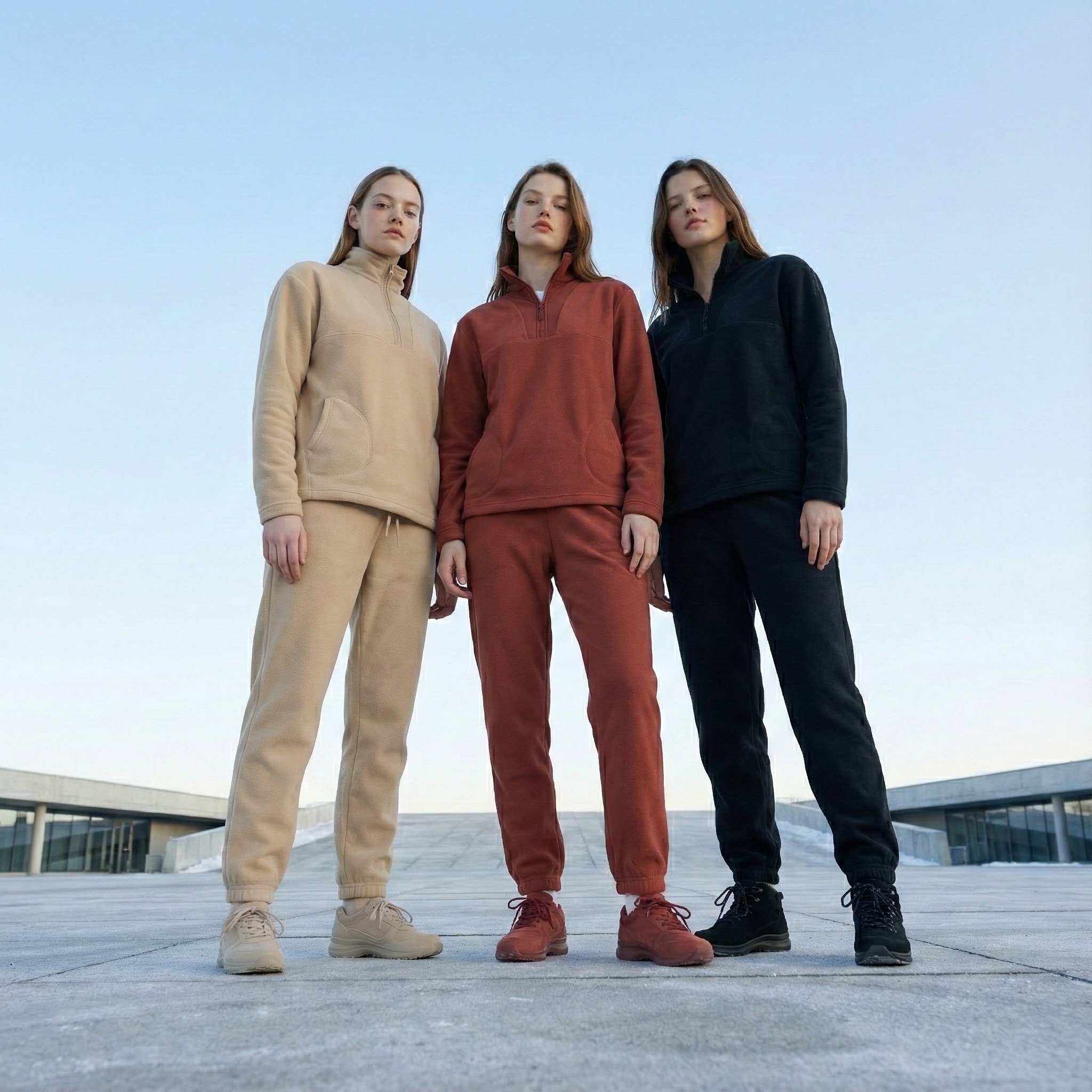
Japanese consumers, for example, are obsessed with Korean brands like Amomentoo specifically because the price-to-quality ratio feels impossible—they're paying less for pieces that feel as considered as anything coming out of Paris or Tokyo. Korean consumers, by contrast, often feel like they're overpaying. The difference isn't the product; it's the supply chain and the retail structure.
What's shifted recently is scarcity and hype. Before COVID, Korean edit shops couldn't even get appointments with European brand buying offices. Now, those same offices are actively requesting Korean retailers to stock their lines. Korean consumers also have a strong group-buy culture—when one person finds something, everyone buys it at once—which creates explosive short-term sales that international brands find irresistible.

The real tension is that Korean fashion is punching globally on design and quality, but the domestic pricing structure works against long-term brand loyalty. You get fast turnover and viral moments (hence the pop-up store open-runs), but less consistent, year-round demand. Edit shops and independent retailers are where you'll find the most honest pricing and curation—they're buying direct and cutting out the department-store markup.

If you're shopping Korean brands, the math is simple: you're paying a Korea tax. Whether that's worth it depends on whether you trust the retailer's edit over the hype cycle.

More from K-Fashion

G-Dragon x McDonald's Vintage Cap Is Already Reselling at Five Times Retail

Netflix's Scandal Hanbok Designer on Color, Craft, and Zero Shortcuts

Kim Do-yeon Is Archive Appk's First-Ever Ambassador

Bang Chan Is Fendi's Ambassador and He's Dressing Like It

Gong Hyo-jin Wore a Red Dress to Tory Burch NYFW SS27

HYBE Just Signed an MOU With Korea's Fashion Industry
Comments (0)
You
to reply.