Ganghwa Nadeul-gil Course 6: a walking trail to a poet's birthplace
Ganghwa Island sits northwest of Seoul, a quieter slice of Incheon where history moves slower and the landscape feels genuinely removed from the city. Nadeul-gil is a network of walking courses that thread through the island's villages, temples, and coastal views — each numbered route a self-contained half-day or full-day walk. Course 6 is the one that leads to Hwanam's birthplace, a pilgrimage for anyone who wants to connect with Korean literary history while actually moving through the land that shaped the poet's work.

Hwanam (화남) was a significant figure in Korean poetry and philosophy, and walking this particular course isn't a museum visit — it's a landscape walk. You're moving through rural Ganghwa terrain, past the kinds of houses and fields that would have been part of Hwanam's childhood world. The trail itself is the draw: the rhythm of walking, the air, the quiet. This is not a manicured heritage site with entrance fees and gift shops. It's a real village route that happens to pass through a place of literary significance. The experience is contemplative rather than celebratory — you're not there to consume a story, but to stand where it began.

Ganghwa Island is accessible by car or bus from Seoul, and the Nadeul-gil courses are designed for self-guided walking — you can pick up a map at the visitor center or download routes beforehand. Course 6 works best if you have a full morning or afternoon and comfortable walking shoes. The island's rural character means there aren't many cafés or restaurants directly on the trail itself, so plan accordingly: grab something in Ganghwa-eup (the main town) before you start, or bring snacks. The best time to walk is spring or autumn, when the weather is stable and the light is clearest.

This trail appeals to readers who want substance over Instagram moments — people who've read Korean poetry or philosophy, or who are curious about how landscape shapes a writer's voice. It's also genuinely good for anyone seeking a break from Seoul's pace. Ganghwa has other draws nearby (temples, coastal walks, historical sites), so you can cluster a full day around the island rather than making it a single-stop trip. The course itself is moderate in difficulty and unmarked in some sections, so downloading a map or going with someone who knows the route is practical.
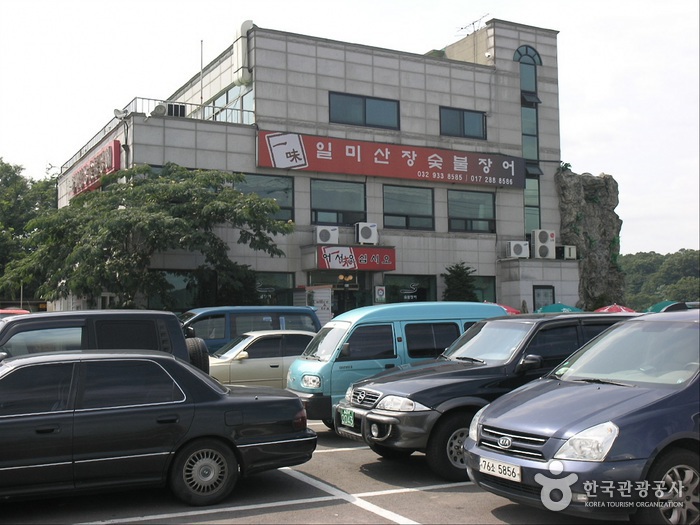
The birthplace itself — when you reach it — is modest. There's no grand monument or reconstruction; what you find is the actual location, often marked simply. That restraint is part of the point. You've walked through the same landscape, passed through the same villages, and arrived at a real place where a real person was born. The pilgrimage is in the walking, not in what you find at the end.
For overseas visitors planning a Seoul trip with a day or two to spare, Ganghwa is worth the transport time. It resets your rhythm and gives you a different version of Korea — one that's rural, literary, and unhurried. Course 6 specifically works if you have even a passing interest in Korean literature or philosophy, or if you simply want a long walk through landscape that feels genuinely separate from the city. Bring water, comfortable shoes, and a willingness to move slowly.

Plan your visit
Ganghwa Island, Incheon
- Address
- 43 Jungang-ro, Ganghwa-eup, Ganghwa-gun, Incheon
- Entry
- Self-guided walking; map available at Ganghwa visitor center or online
More from K-Travel

Waterworld Jeju is the water park Seoul visitors actually plan around

Seohaerang Jebu Marine Cable Car: a 30-minute coastal escape from Seoul

Masan's spicy fish stew street is a regional detour worth the trip

Sol Beach Samcheok Ocean Play: Gangwon's water park escape

Ocean World is a mountain aquarium worth the Gangwon drive

Bidulginang Falls and Hantangang River Geopark: geology meets hiking near Seoul
Comments (0)
You
to reply.