Naejangsan National Park: the mountain Seoul day-trippers actually miss
Naejangsan isn't the Instagram-saturated peak that gets the Seoul overflow crowd. It's a real mountain in Sunchang, Jeonbuk Province — about 90 minutes from the city center — and it rewards the people who book a day trip there instead of hiking one of the five mountains everyone else is on. The park sprawls across multiple peaks (Naejangsan, Baegamsan) plus a 12th-century fortress ruin (Ibamsanseong) and two major temples (Naejangsa and Baegyangsa), which means you're not just walking a trail — you're moving through layers of landscape and history that actually feel separate from each other.
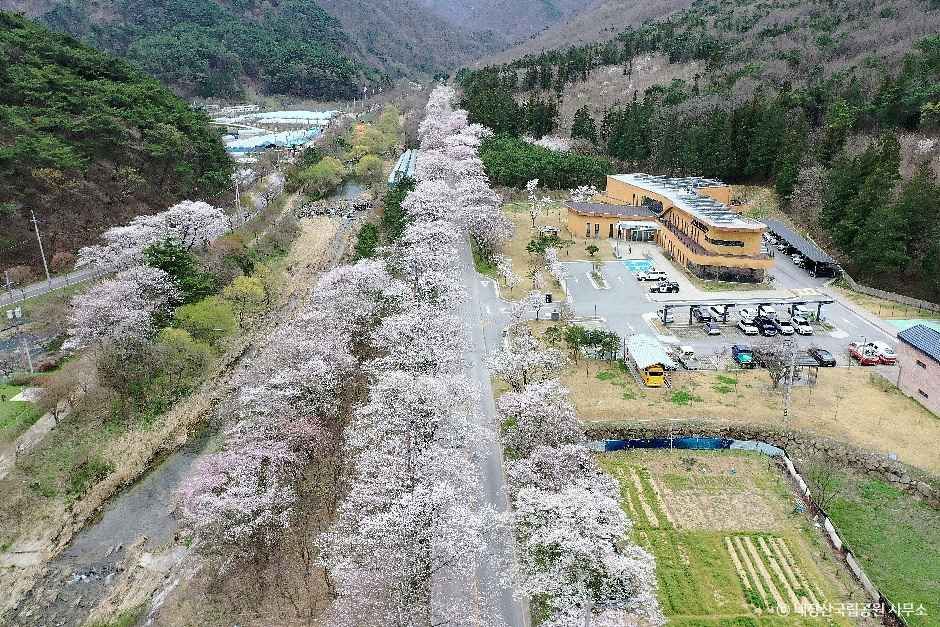
The seasonal draw here is real. Spring floods the lower slopes with azaleas and cherry blossoms so thick they crowd out the sky; summer is a pure green tunnel that keeps you cool even when Seoul is sweating through 35 degrees. But the honest pull for overseas visitors is autumn — the park's maple season (usually late October through early November) is when the whole mountain turns that specific Korean red-orange that looks fake in photos and stops you mid-step in person. Winter is a different trip entirely: snow clings to the cliffs and temple roofs, and the crowds thin out enough that you can actually hear the mountain.

The temple experience here isn't a tourist checkbox. Naejangsa Temple sits deep enough into the park that you earn the arrival — it's not a five-minute walk from the parking lot. The temple grounds hold centuries of carvings and stone lanterns, and if you time it right (weekday mornings), you'll have it almost to yourself. Baegyangsa, on a different slope, has its own quiet following; both are active temples, not museum pieces, so there's incense smoke and the actual rhythm of monastic life happening around you.

Practically: the park has multiple entry points and trail combinations, so you can go light (2-3 hours, lower loop) or commit to a full day. The fortress hike is steep and rocky but short — maybe 1.5 hours from Naejangsa Temple to the summit ruins. Wildflowers scatter through the park year-round, so even off-season there's something blooming in the understory. Bring proper hiking shoes; the paths are well-maintained but technical in spots, especially if there's been rain.

The nearest town is Sunchang itself, which has bus terminals and a few basic restaurants — nothing fancy, but enough to eat before or after. From Seoul, you can take an express bus from Gangseoul Terminal or Nambu Bus Terminal (check schedules the day before). The drive is long enough that you'll want to commit to a full day rather than a half-day rush. If you're planning a Jeonbuk province trip (pottery towns, temples, rural stays), Naejangsan anchors the outdoor half of the itinerary beautifully.

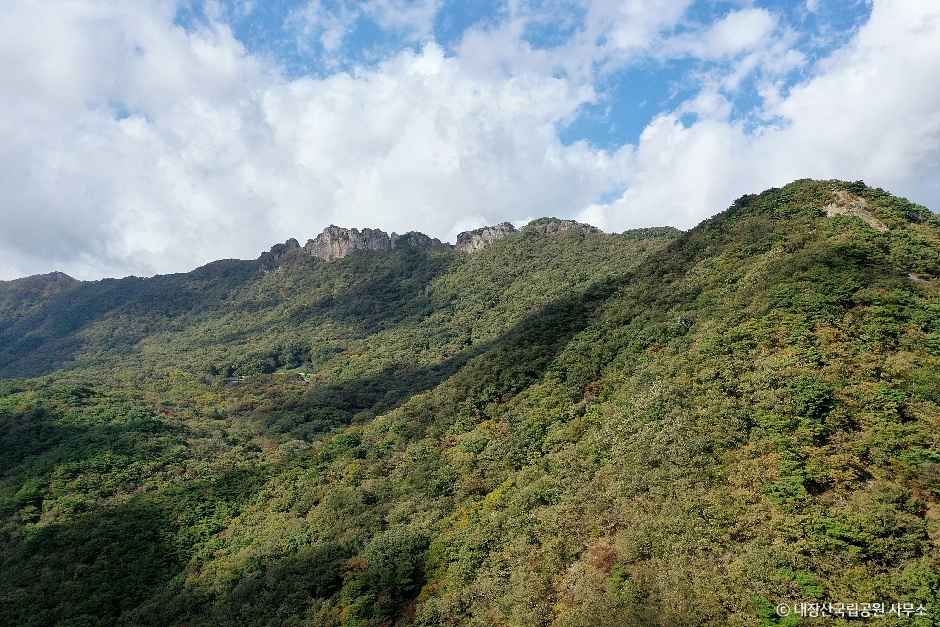
Who this is for: hikers who want real mountain time without the Seoul-adjacent crowds. People who came to Korea for nature and temples, not nightlife. Anyone who's done the standard Seoul day-trip circuit and wants something that actually feels separate from the city. It's not a pop-in; it requires planning and a full day. But that's exactly why it's worth doing.
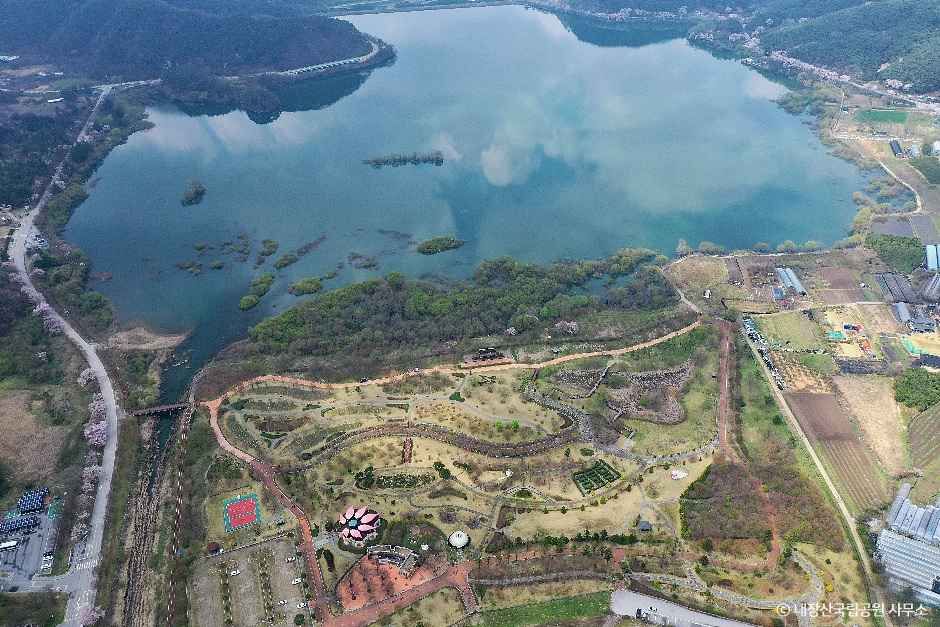
Plan your visit
Sunchang, Jeonbuk Province
- Address
- San122, Bongdeok-ri, Bokheung-myeon, Sunchang-gun, Jeonbuk-do
More from K-Travel

Billboard Korea Haus: where K-music fans actually spend their Seoul afternoon

Myeoncheoneupseong: A 600-year-old fortress town where locals still live

Seoul Color Park is a riverside art stop worth the Yeouido detour

Hapdeok Catholic Church: Gothic brick landmark worth the Dangjin detour

Seonyu Sky Sunline: the cable car ride that reframes the west coast

Traditional boat rides on Korea's most romantic river, near Gangneung
Comments (0)
You
to reply.