Hoesoodaok in Seogwipo: raw fish stew that justifies the Jeju detour
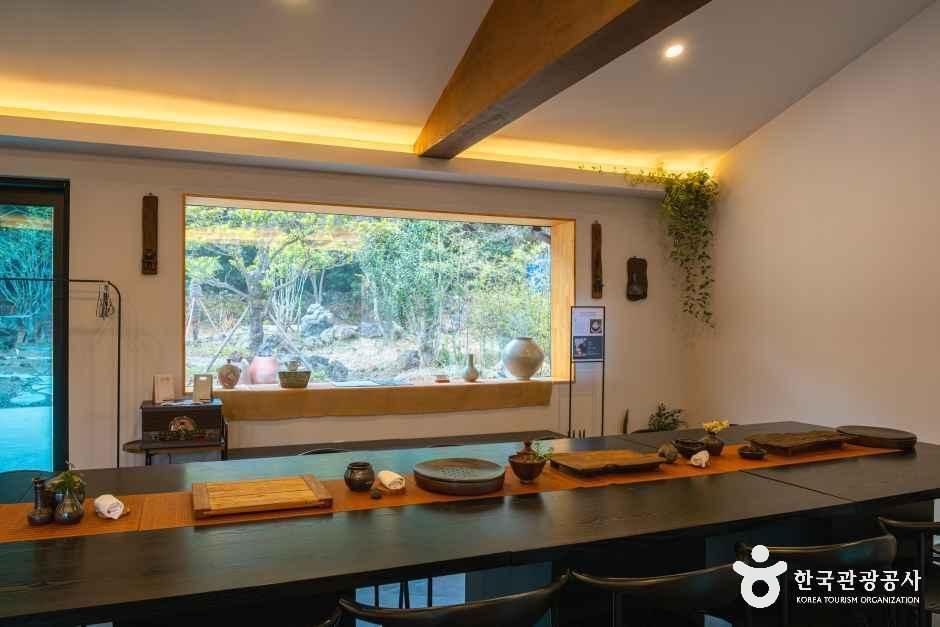
Hoesoodaok sits in Seogwipo on Jeju's south coast, a small, no-frills spot that exists for one reason: to serve hoe (raw fish) stew — a dish most overseas visitors have never heard of but should absolutely taste before leaving the island. The restaurant is exactly what you'd expect from a place built around a single obsession: minimal décor, long communal tables, and a menu that doesn't waste time on options. You order the stew, it arrives in a stone pot bubbling at the table, and you eat it with rice and banchan (side dishes) while watching the steam rise.
The stew itself is the anchor. It's built on a broth loaded with raw fish (usually a mix of white fish and squid), vegetables, and a spice level that hits without overwhelming the delicate flavor of the fish. The raw fish cooks in the hot broth as you eat, so you're catching it at different stages — some pieces still tender and barely cooked, others softer from the heat. It's the kind of dish that sounds odd if you've never had it but tastes inevitable once you understand the logic: why waste the texture of raw fish by cooking it separately when you can let the broth do it gently, in front of you.

This is not a fancy restaurant. The vibe is working-class Jeju — locals eating lunch, groups of friends who've been coming for years, the kind of place where the owner knows the regulars by name. That's part of what makes it worth the trip. You're not paying for ambiance or a brand; you're paying for competence and a dish that tastes like someone has been perfecting it for decades. The space is warm and a little cramped, which only adds to the feeling that you've found something real.

Timing matters slightly. Lunch (roughly 11AM–2PM) is busier, which means the kitchen is in full rhythm and the broth is at its peak. Dinner is quieter but still good. Avoid peak lunch hour if you hate crowds, but honestly, the energy of a full room is part of the experience — you're eating alongside people who live here, not tourists passing through.
Seogwipo itself is worth a half-day or full day if you're on Jeju. The area has other draws — the Jeju Haenyeo (women divers) cultural center, Cheonjeyeon Waterfall, black-sand beaches — so you can anchor a morning or afternoon around Hoesoodaok and explore the neighborhood. The restaurant is in a residential area near the coast, accessible by local bus or rental car; it's not a major tourist zone, which is exactly why it feels authentic.
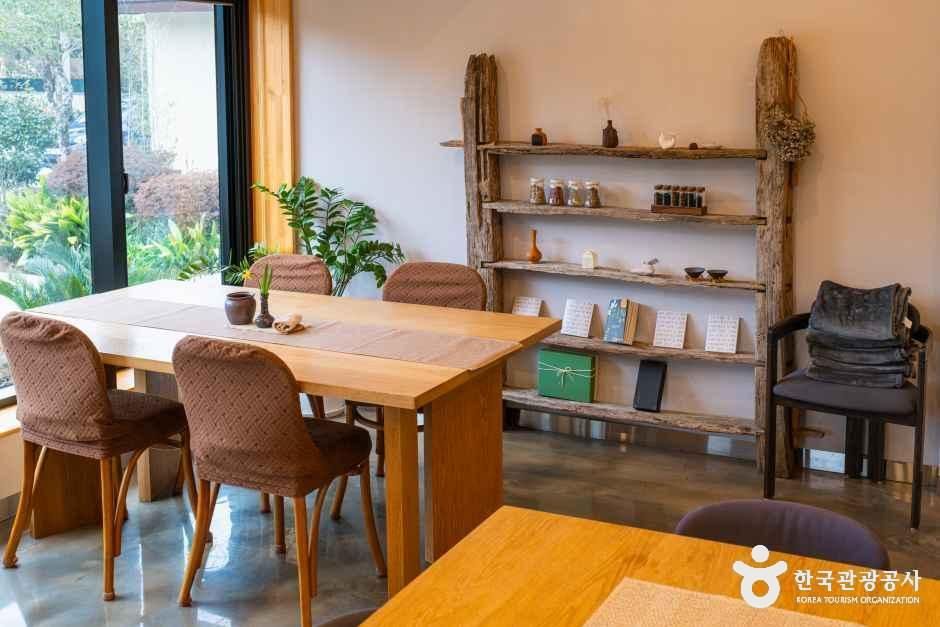
Bring cash or a Korean debit card (not all small Jeju restaurants take foreign credit cards). The portions are generous, and one order of stew feeds two people comfortably. Order side dishes if the owner recommends them — the banchan are always good and change with the season. Don't overthink it. You sit down, the stew arrives, you eat, and you understand why locals keep coming back.


Plan your visit
Seogwipo, Jeju
- Address
- 453-38 1100-ro, Seogwipo-si, Jeju-do
More from K-Food

Doljip Sikdang: the stone-pot restaurant Danyang locals queue for

Gustoria in Sangdo: the wine bistro Seoul regulars keep to themselves

BTS' V became the 1st global ambassador for Korea's soju brand

Six TV Chefs, One Pop-Up Run: Lotte Jamsil's Relay Series

Chef Lim Seong-geun's New Restaurant Sold Out Lunch in 75 Minutes

San 1-1: The Naksan-ro spot serving unadorned Korean comfort in Jongno
Comments (0)
You
to reply.