Surim Hoetjip in Haeundae: raw fish done right, seaside Busan style
Surim Hoetjip sits in Haeundae, Busan's waterfront district — close enough to the beach that you can feel the salt air the moment you walk in. This is a hoe (raw fish) restaurant, which means you're here for sashimi-grade fish prepped with precision and served either as a solo course or as part of a full spread. The space has that casual-but-serious vibe Korean seafood spots do so well: no fuss, no pretense, just fish and the people who know how to cut it.
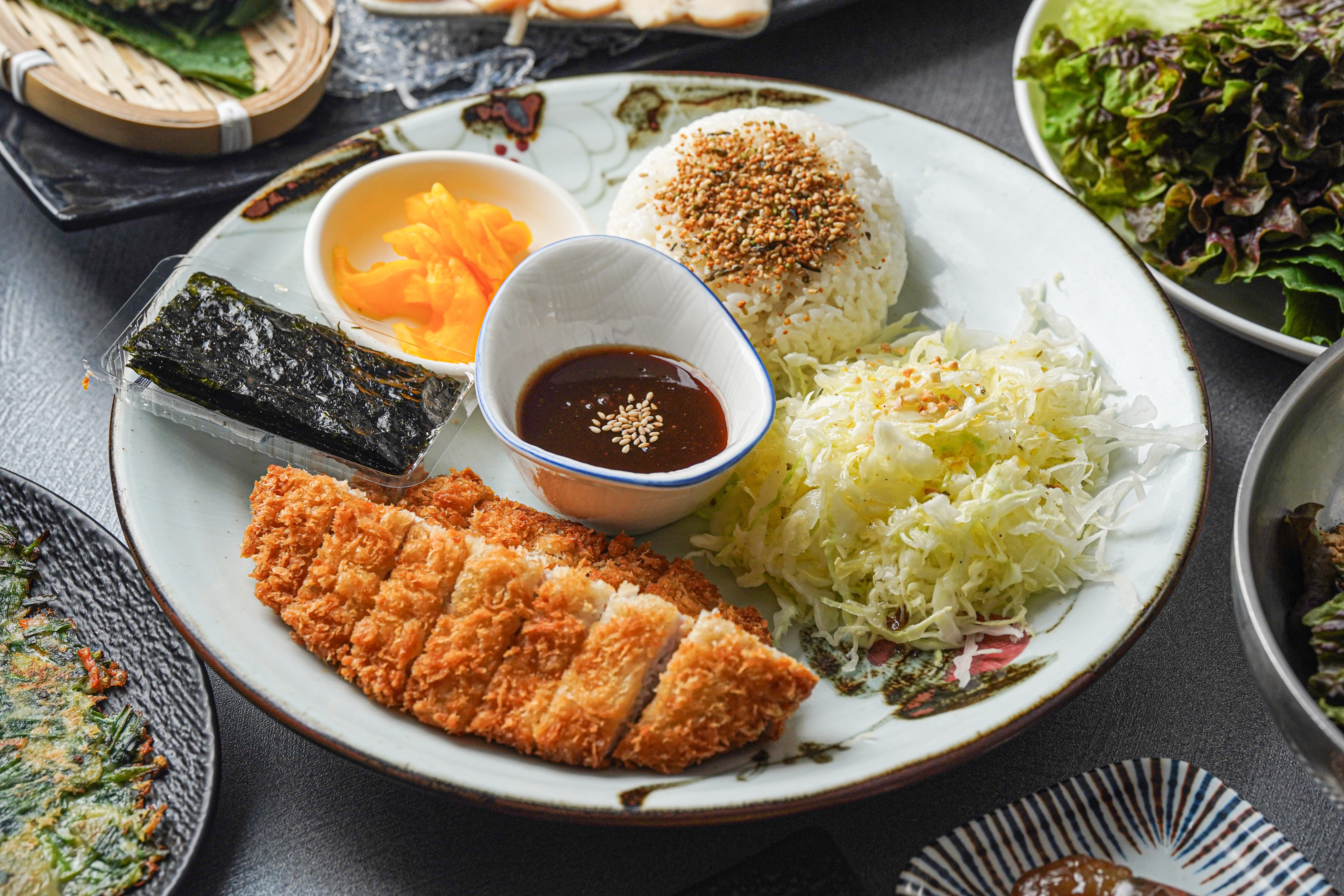
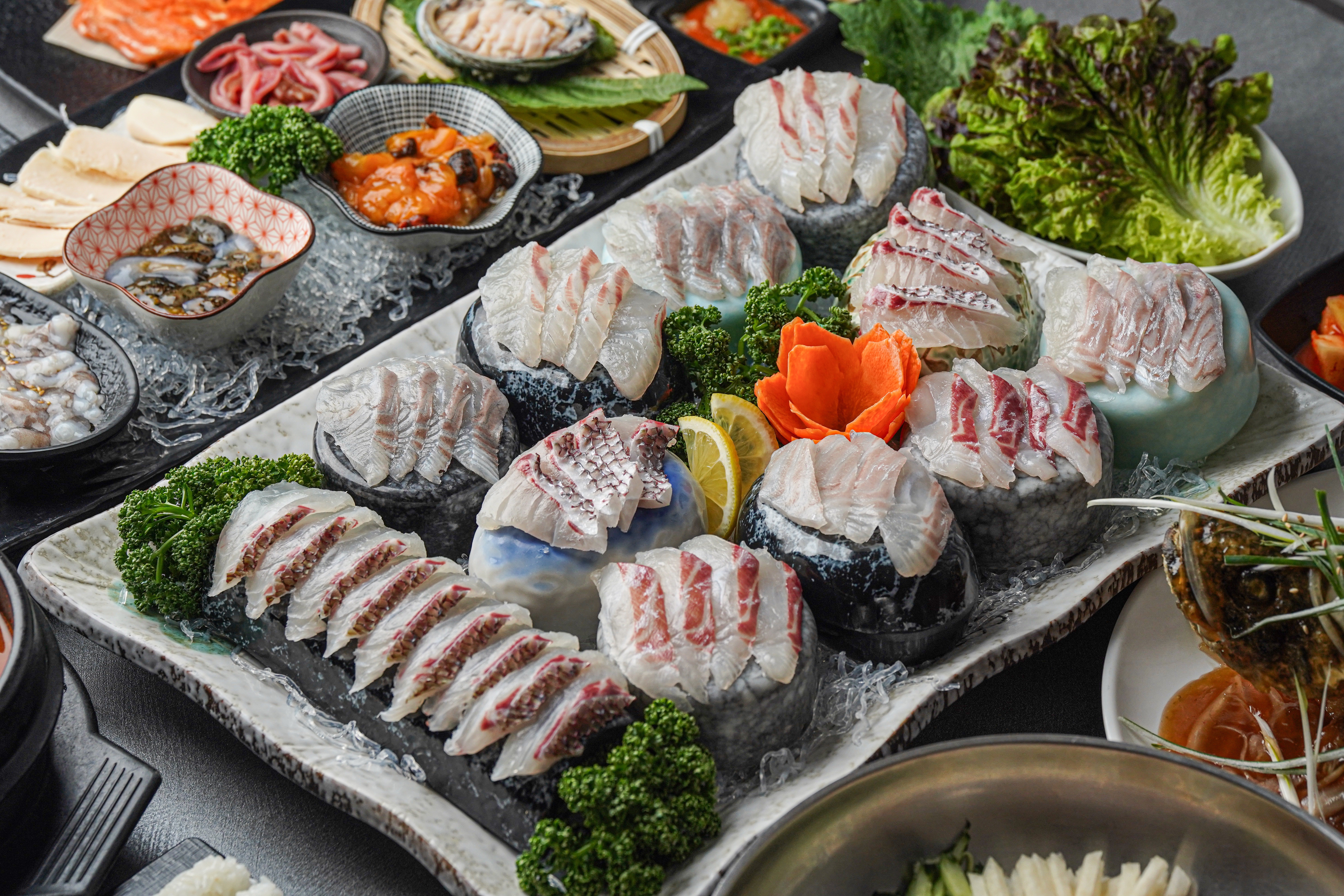
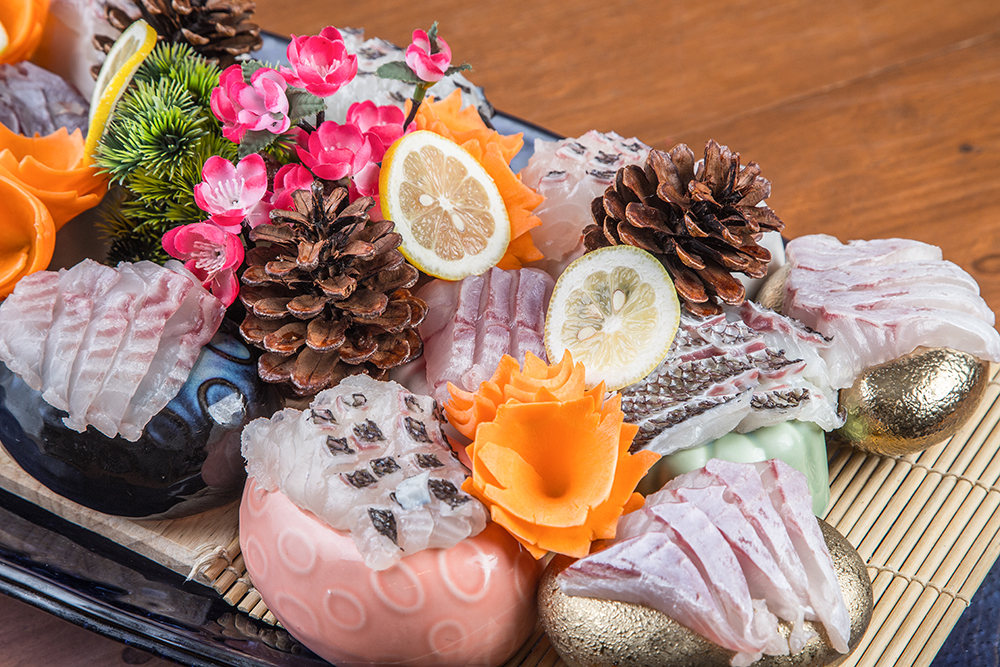
The signature move at Surim is ordering a variety of hoe — the restaurant sources fresh catch daily, and the prep reflects that. You'll get thin, clean slices of fish (often flounder, sea bream, or whatever came in that morning) with a simple soy-wasabi dip and a side of rice. Some people order it as a standalone course; others build a full meal around it with banchan (side dishes) and soup. The rhythm is: eat fish, cleanse your palate with rice and soup, repeat. It's a format that's been working in Korea for centuries, and Surim executes it without overthinking.
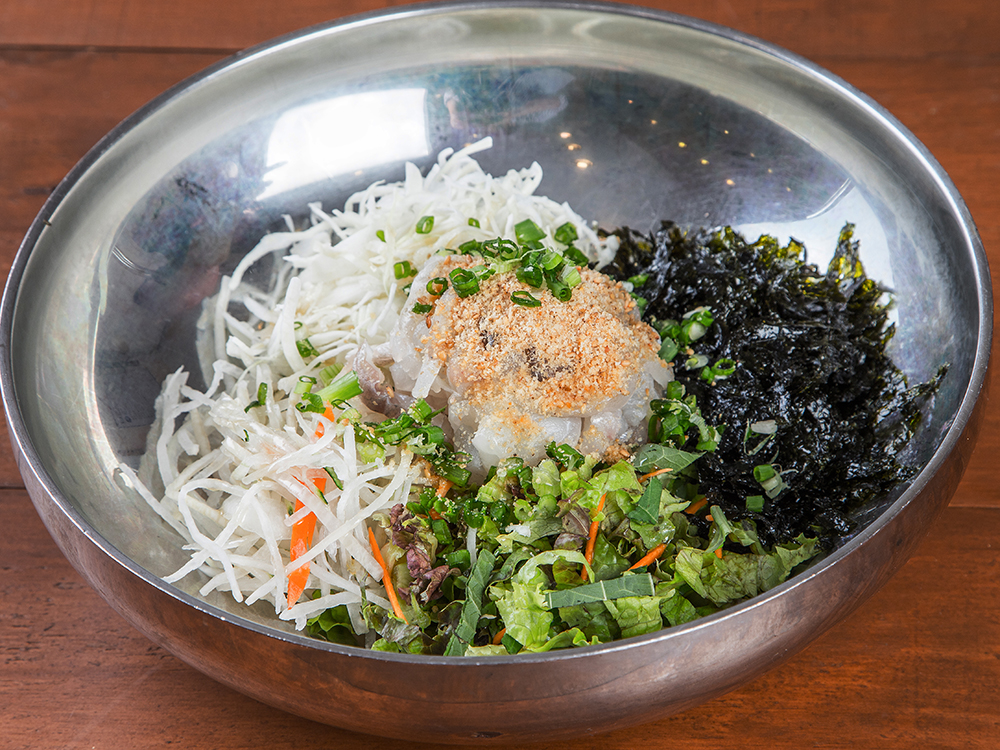
Why this spot earns a visit: Haeundae is already on most overseas visitors' radar — it's got the beach, the boardwalk, the vibe — but Surim gives you a reason to eat seriously while you're there. Raw fish restaurants in Korea aren't tourist traps; they're neighborhood staples, and this one sits right in that tradition. You're not paying for Instagram aesthetics or a chef's name; you're paying for the fish to be fresh and the knife work to be clean. If you're visiting Busan and want to eat something that matters, this is the kind of place locals actually go to.
The district itself (Haeundae) is walkable and packed with other food spots, so you can build a longer food day around it. The nearest subway is Haeundae Station, which is a short taxi or bus ride from the restaurant — ask your hotel or a local for the exact route, as it's not a direct walk from the station. Best time to go: lunch or early dinner, when the fish is freshest and the restaurant isn't packed. Evenings can get crowded, especially weekends, but that's also when the energy is highest.
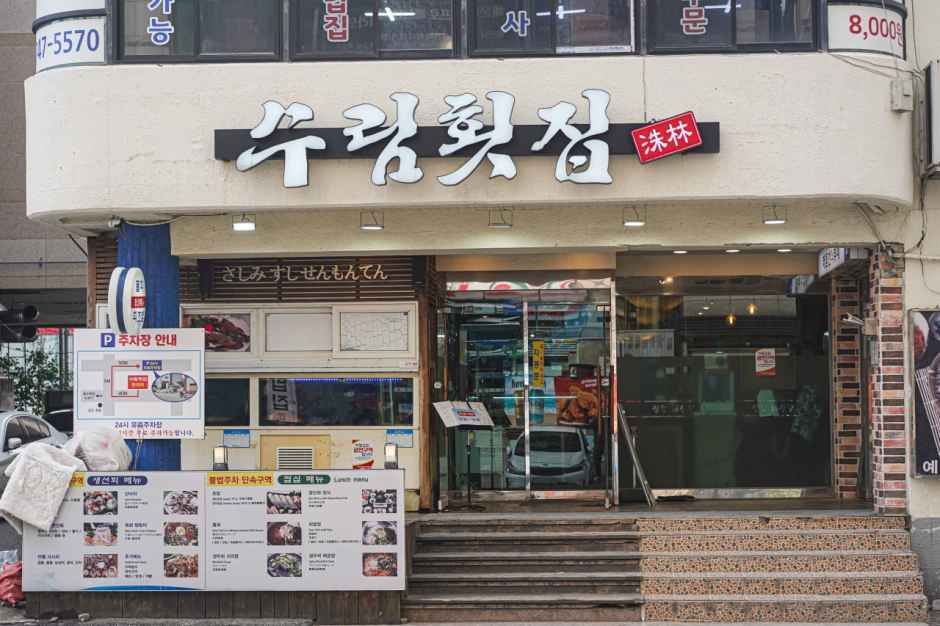
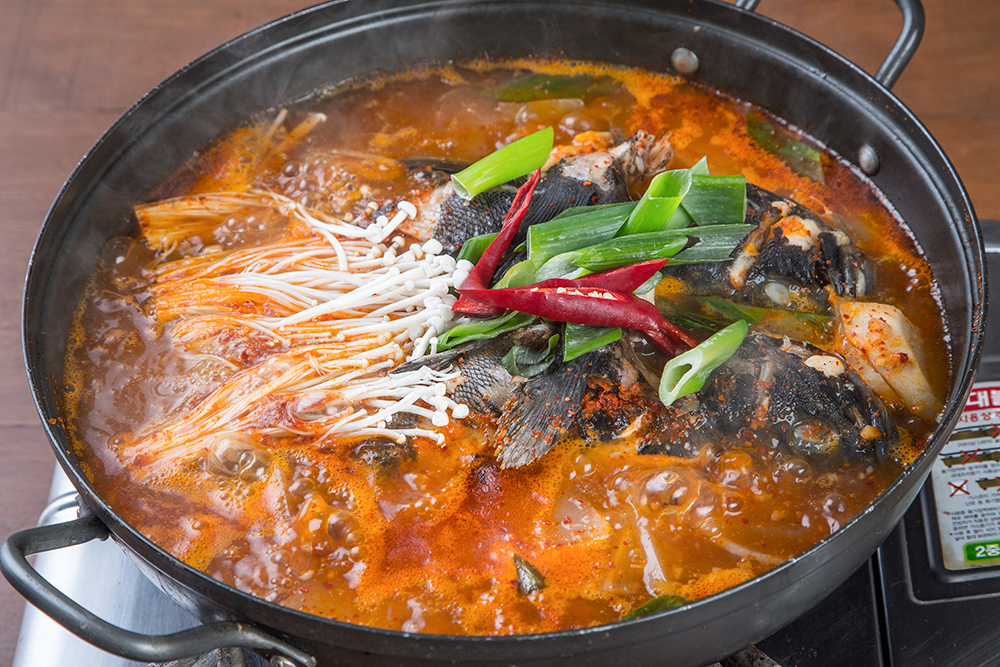
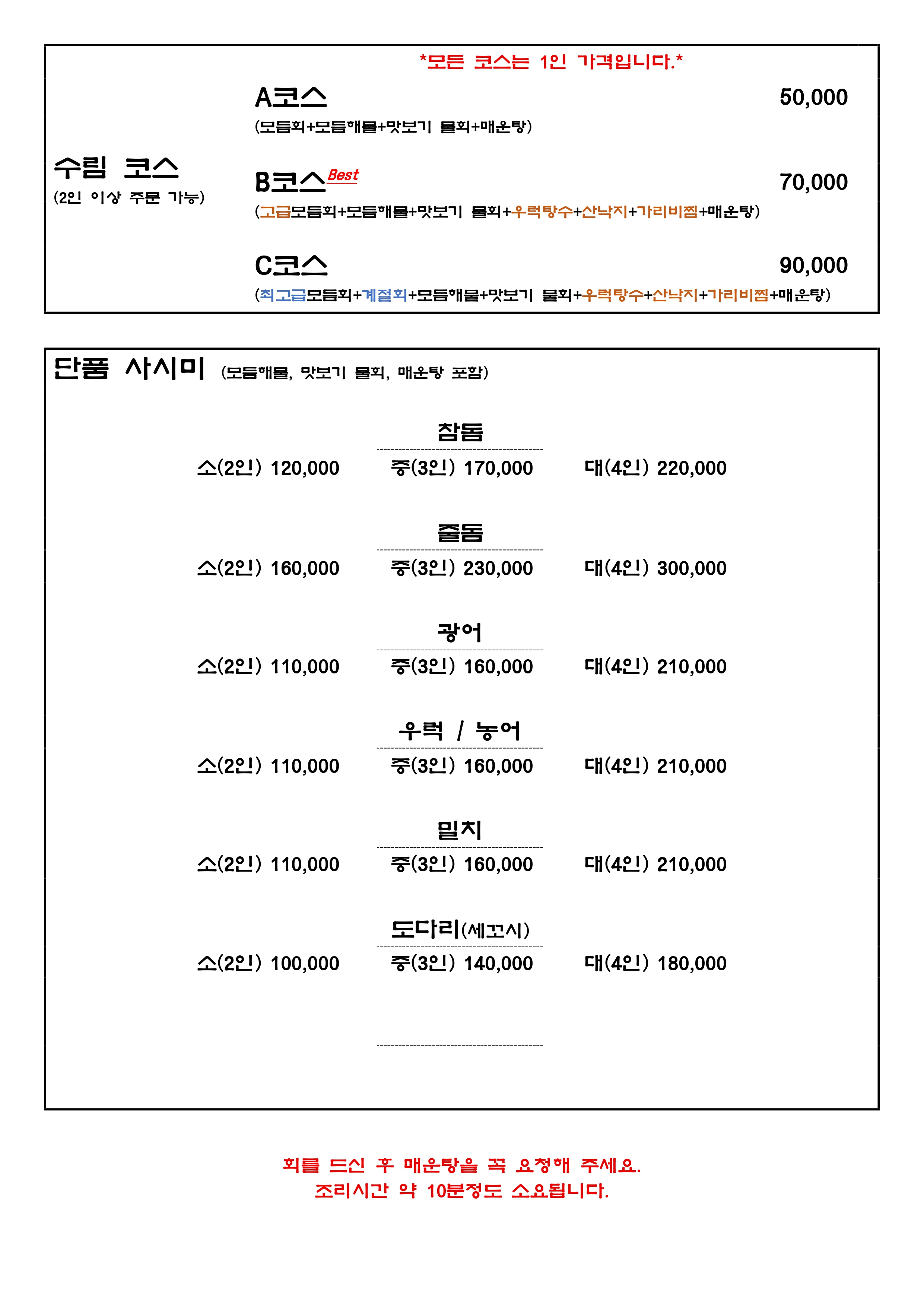
One practical note: hoe restaurants in Korea often operate on a cash-preferred or mixed-payment basis — bring won with you or confirm card acceptance before you order. The menu is usually visual (pointing at fish in a display case) or Korean-language, so either bring a translation app or ask your server to walk you through the daily catch. Don't overthink it; the staff are used to non-Korean speakers, and the experience is intuitive once you sit down.
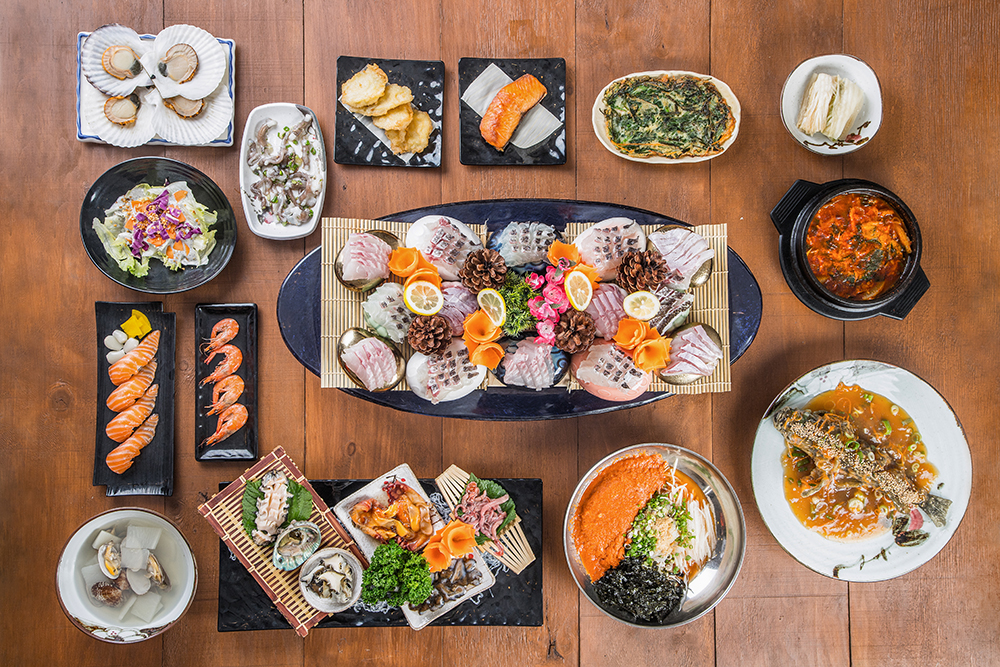
If raw fish isn't your thing, most hoe restaurants offer cooked options too — grilled fish, fish stew, that kind of thing — so you won't be stuck. But if you're curious about how Koreans eat seafood at the source, Surim is the real deal: no bells, no whistles, just the fish and the skill.
Plan your visit
Haeundae, Busan
- Address
- 15 Haeundaehaebyeon-ro 221beon-gil, Haeundae-gu, Busan Building A, 1F
- Nearest subway
- Haeundae Station
More from K-Food

Doljip Sikdang: the stone-pot restaurant Danyang locals queue for

Gustoria in Sangdo: the wine bistro Seoul regulars keep to themselves

BTS' V became the 1st global ambassador for Korea's soju brand

Six TV Chefs, One Pop-Up Run: Lotte Jamsil's Relay Series

Chef Lim Seong-geun's New Restaurant Sold Out Lunch in 75 Minutes

San 1-1: The Naksan-ro spot serving unadorned Korean comfort in Jongno
Comments (0)
You
to reply.