Paldalmun Gate: Suwon's fortress heart, 270 years standing
Paldalmun is the south gate of Hwaseong Fortress, and it's the kind of historical anchor that makes sense only when you're standing in front of it. Built in 1795 during the reign of King Jeongjo, it's one of four main gates that pierce the fortress walls—and unlike many heritage sites that feel cordoned off or museum-quiet, this one sits alive in the middle of Paldal-gu, a working neighborhood where locals cut through the gate on their way to the market, and visitors arrive expecting a photo but stay because the stone and timber architecture is genuinely arresting up close.

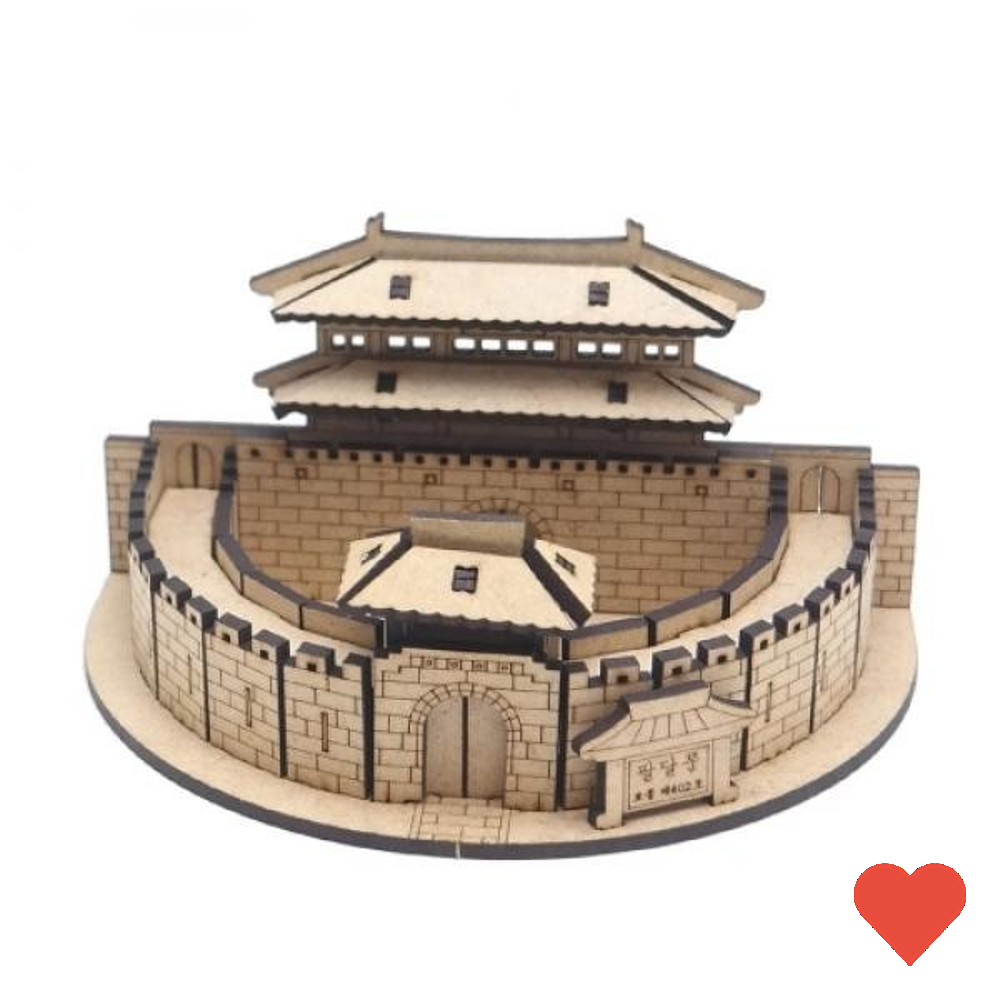
The gate itself is a two-story wooden structure anchored to thick stone foundations, built in the style of late Joseon military architecture—clean lines, dark timber, and a roof that curves just enough to feel intentional rather than ornamental. What strikes you is the scale: it's not massive, but it's imposing in a way that makes you understand why it mattered as a defensive point. The stonework below is what you'll want to photograph; the wear and patina tell the story better than any plaque. Unlike the main fortress walls, which sprawl across the hilltops above Suwon, Paldalmun sits at street level, making it accessible without a hike and easier to visit in combination with nearby cafés or the Paldalmun market district.

This is the gate to visit if you're interested in Korean fortress architecture without committing a full day to Hwaseong's larger circuit. It works as a standalone 20-minute stop, or as an entry point if you want to walk the fortress walls northward from here. The surrounding neighborhood—Paldal-gu—has the texture of a lived-in Seoul ward: street vendors, small restaurants, and the kind of quiet that lets you actually hear the timber creak when the wind picks up. Spring and autumn are the obvious choices for timing; the light hits the gate's wood best in late afternoon, so if you're planning a photo visit, aim for 3–5PM.

Practically: the gate is outdoors and always accessible (no ticketing, no hours). Nearest subway is Suwon Station (Exit 1 or 2), then a short bus or taxi ride into Paldal-gu. If you're basing yourself in central Suwon for a day trip, pair this with a walk through the fortress walls above, lunch at one of the market-adjacent restaurants, and an evening loop back through the gate at dusk—that's a full half-day that feels both cultural and grounded in how Suwon actually moves.

Who it's for: anyone with even a passing interest in Korean history and architecture, especially if you're already in Suwon for Hwaseong Fortress. It's not a "must see" if you're on a Seoul-only itinerary, but if you're spending a day outside the capital, this gate—and the fortress walls it anchors—justify the trip more than most tourist attractions in the region.


Plan your visit
Paldal-gu, Suwon
- Address
- 780, Jeongjo-ro, Paldal-gu, Suwon-si, Gyeonggi-do
- Nearest subway
- Suwon Station (Exit 1 or 2)
- Entry
- Walk-in; outdoor, always accessible
More from K-Travel

NCT Dream Shot Their Album Here — Now Anyone Can Visit

Mudeungsan National Park: Gwangju's Peak hike and city escape

Jeju Best Hill: glamping in the island's quiet interior

Namhae's terraced village where time moves slower than Seoul

Nonsan Gwanchoksa Temple: a thousand-year-old stone giant outside Seoul

Ganghwa Nadeul-gil Course 6: a walking trail to a poet's birthplace
Comments (0)
You
to reply.