Cho Sumi marks 40 years on stage at Berlin Philharmonie: "I want to be remembered as a musician Korea loves"
Cho Sumi marked 40 years since her operatic debut with a Berlin concert, reflecting on the sacrifices that shaped her career and her mission to mentor Asian musicians.
Forty years from Trieste to Berlin
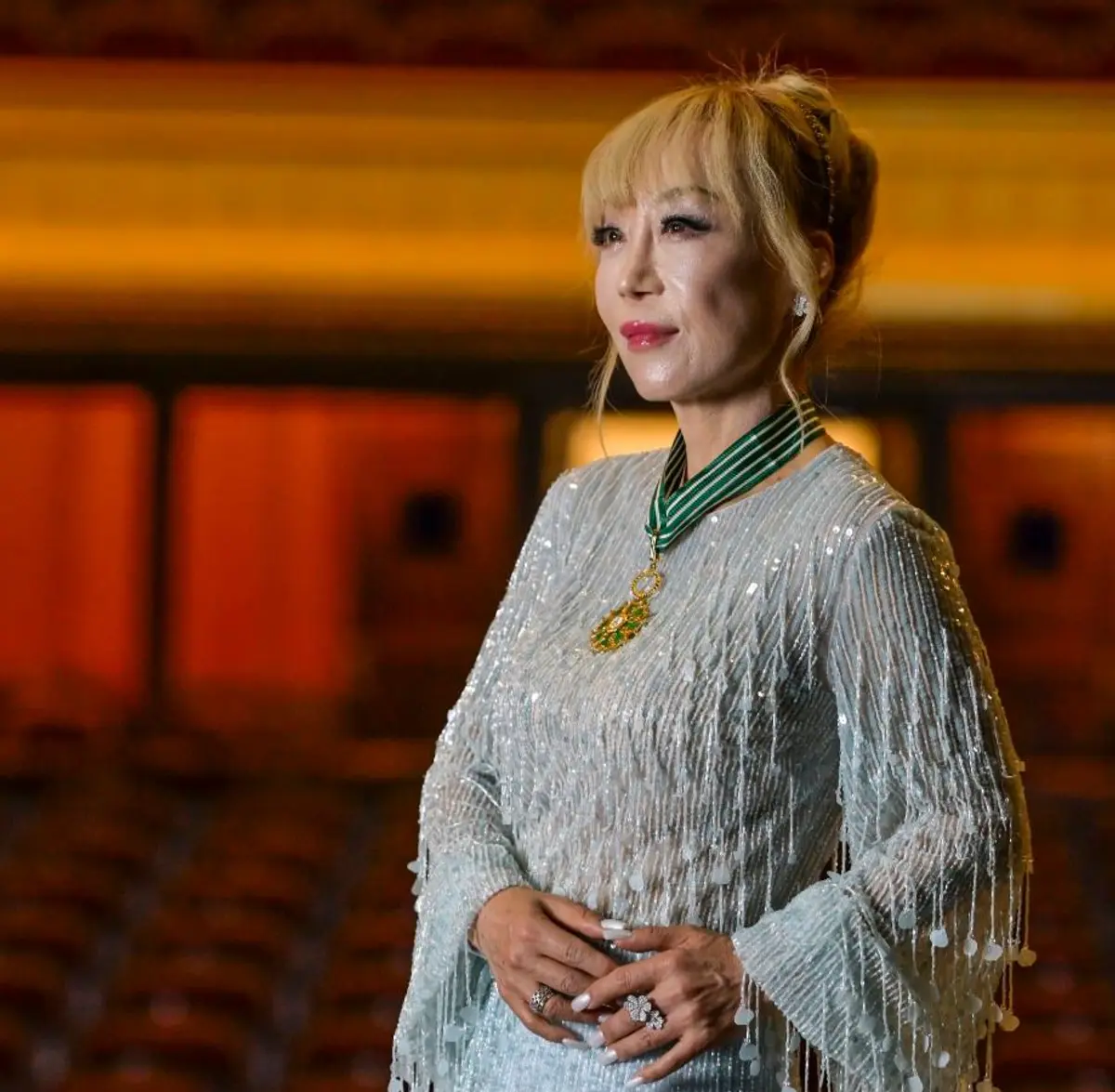
Cho Sumi, 63, celebrated the 40th anniversary of her operatic debut on October 22, 2026, at Berlin Philharmonie. The milestone reaches back to October 26, 1986, when she performed as Gilda in Verdi's Rigoletto at Teatro Verdi in Trieste, Italy.
It started three years earlier. On March 28, 1983, she arrived at Rome airport with two suitcases. "I ate tear-soaked bread and collapsed from malnutrition on the street," she said. "But I endured with the identity of being a soprano born in Korea."
Before turning 30, Cho became the first Asian to perform on the world's five major opera stages: New York, London, Paris, Vienna, and Milan. She has received decorations from Italy and France, a Grammy Award, and the Maria Callas Award.
The identity she fought to keep
Early in her European career, her name became a problem. "Because of the name 'Sumi,' local media introduced me as Japanese," she said. "I called media outlets and visited them directly to correct it to 'Korean.'" That insistence on national identity was never small. "From the beginning of my debut, what I held onto was the identity of 'I am a soprano born in South Korea.'" Forty years later, she's still holding onto it—just from a different angle.
The career demanded a price she states without hesitation. "I gave up a life with family and husband. I made a deal with myself. I think of it as my fate and live enjoying it."
Berlin master class and a janggu surprise
The day before the interview, Cho held a master class at the Korean Cultural Institute in Berlin for young musicians from Korea, China, and Germany. During rehearsal for the anniversary concert, she made a sudden decision: she would play the janggu—a traditional Korean drum—during the performance.
Mentoring has become her ongoing work. She runs a competition in France under her name and conducts master classes worldwide. Her goal is straightforward: "I want to introduce more Asian musicians from Korea, China, and Japan to Europe."
What she wants to leave behind
"I want to be remembered as an artist that Korea loves most and is proud of," she said. "Before, Korea protected me—now I want to take care of Korea with a mother's heart."
The ambition she names is not global. "I want to be remembered as a musician loved by Korea rather than the whole world."
Cheer the story


