Gogung Jeonju: The Bibimbap Spot That Defined a City's Cuisine
Gogung Jeonju Main Branch sits in the heart of Jeonju, a city that has staked its reputation on one dish: bibimbap. This is the restaurant where that reputation was built. Located in Deokjin-gu, the branch is the flagship of a legacy that goes back decades — the kind of place where locals eat without thinking twice, and visitors arrive with a specific order already in mind.
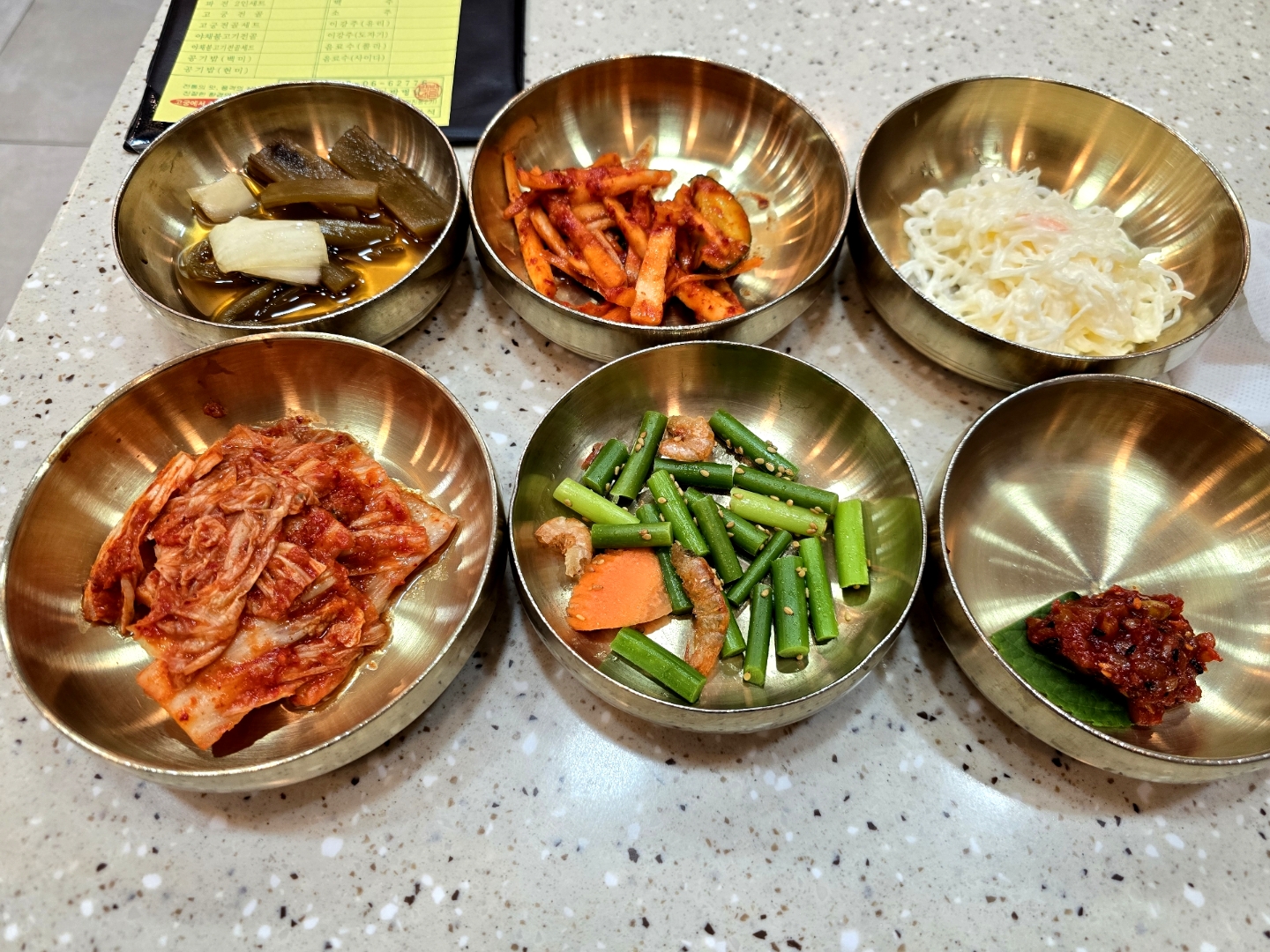
The signature move here is the dolsot bibimbap (stone bowl bibimbap), and it arrives as a ritual. Rice meets a precise arrangement of seasoned vegetables, beef, egg, and gochujang in a heated stone bowl — the bottom layer crisps as you mix, creating a textural contrast that's the entire point of the dish. The vegetables are fresh, the proportions are balanced, and the gochujang has the right amount of heat without overwhelming. This is not a trendy interpretation; it's the template.

What sets Gogung apart from the dozens of other bibimbap spots across Jeonju is consistency and scale. The kitchen moves fast without cutting corners — plates come out in steady rhythm even during lunch rush. The dining room is clean and straightforward, with long communal tables and smaller booths depending on your group size. The vibe is unpretentious; families, office workers, and tourists all sit shoulder to shoulder.

Beyond bibimbap, the menu includes other Jeonju staples worth ordering if you're staying longer: kongguksu (cold soybean noodles), kimchi jjigae (kimchi stew), and yukhoe (beef tartare). But honestly, the bibimbap is why you're here. Order the dolsot version, mix it thoroughly at the table, and eat it while it's still sizzling. The crispy rice at the bottom (called nurungji) is the prize.

Timing matters. Lunch (roughly 11:30AM–1:30PM) draws office workers and school groups, so expect a wait if you arrive at peak hour. Early lunch or late lunch moves faster. Dinner is steadier. If you're visiting Jeonju specifically for food tourism, plan Gogung as a lunch stop rather than a special-occasion dinner — it's a working restaurant, not a destination fine-dining experience.

Jeonju itself is worth a half-day or full-day visit if you're in North Jeolla. The city's Hanok Village (traditional Korean house district) is walkable and photo-heavy, with cafés and smaller restaurants scattered through the narrow lanes. Gogung is centrally located, making it a logical anchor for a food-focused visit. Eat here, walk off the meal through the village, grab coffee, move on.

One practical note: the restaurant does not take reservations for small groups (walk-in only). If you're traveling with a larger party, calling ahead is wise. Payment is cash or card — no complications there. The menu has English descriptions, and staff are used to tourists pointing at photos on neighboring tables if language becomes an issue.

The reason Gogung earns a visit is simple: it's the bibimbap reference point. You will eat better bibimbap in other cities, maybe — Seoul has ambitious reinterpretations, and home cooking is always superior — but you won't eat a clearer expression of what Jeonju bibimbap is supposed to be. It's the dish without ego, the way it's been made for generations, and the reason the city's name is synonymous with the bowl.

Plan your visit
Deokjin-gu, Jeonju
- Address
- 33 Songcheonjungang-ro, Deokjin-gu, Jeonju-si, Jeonbuk-do
- Entry
- Walk-in only for small groups; call ahead for large parties
More from K-Food

Yennal Sigol Bapsang: Paju's countryside comfort meal worth the day trip

Surim Hoetjip in Haeundae: raw fish done right, seaside Busan style

Doljip Sikdang: the stone-pot restaurant Danyang locals queue for

Gustoria in Sangdo: the wine bistro Seoul regulars keep to themselves

BTS' V became the 1st global ambassador for Korea's soju brand

Six TV Chefs, One Pop-Up Run: Lotte Jamsil's Relay Series
Comments (0)
You
to reply.