Jung Ha-yeon, veteran Korean historical drama writer behind 'Wang-gwa Bi' and 'Myeongseong Hwanghu,' dies at 82
Jung Ha-yeon, the screenwriter who shaped Korean historical drama across three decades, died November 1, 2026, at 82.
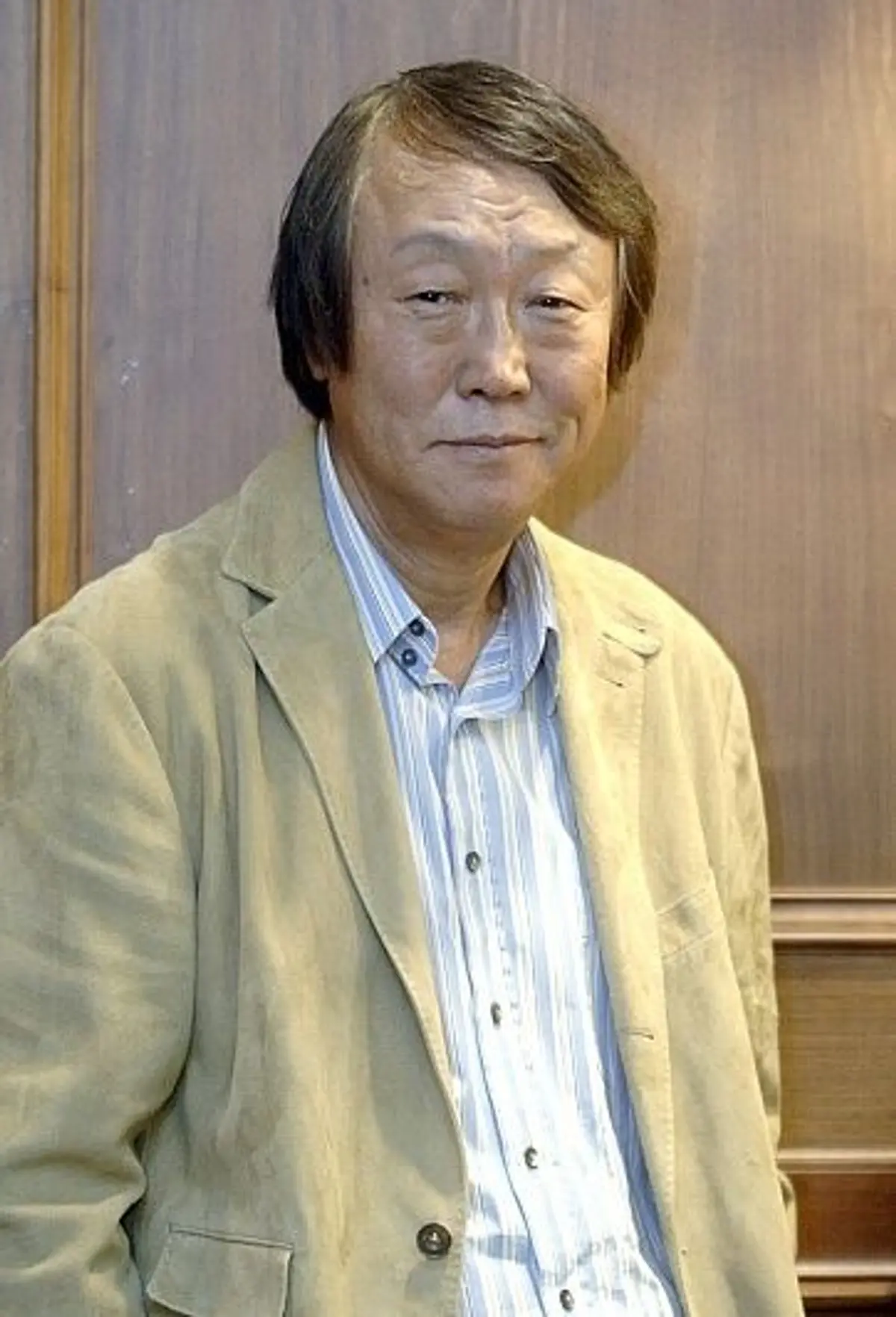
A career that shaped the Korean historical drama genre
Jung Ha-yeon (real name Jung Yeon) died on November 1, 2026. She was 82. The screenwriter behind Wang-gwa Bi and Myeongseong Hwanghu had defined the historical drama landscape for Korean television.
Born in 1944 in Annak, Hwanghae Province, Jung made her literary debut in 1968 when her play Sanullim won selection in the Seoul Shinmun New Year's Literary Contest. She worked through film screenplays and radio drama before television became her primary medium.
Her television work spanned four decades. Jang Nok-su (1995), Jo Gwang-jo (1996), Wang-gwa Bi (1998), Myeongseong Hwanghu (2001), Sindon (2005), Dalkomhan Insaeng (2008), and Yokmang-ui Bulkkot (2010) anchored her resume. Earlier she wrote Chum-chuneun Gayatgo (1990) and Morae Wi-ui Yokmang (1992), plus screenplays for Jeonseol-ui Gohyang and TV Munhakgwan. The EBS cultural history series Myeongdong Baekjak (2004) and Jigeum-do Maronie-neun (2005) followed. Her final drama was MBC's Son Kkok Jabgo, Jineun Seokyang-eul Baraboja in 2018.
Awards across five decades
Jung won the Dong-A Theatre Award and the Baeksang Arts Award for Playwriting in 1973. The KBS Acting Awards Writer Award came in 1999, followed by the Korean Broadcasting Producers Association Writer Award in 2000.
The funeral parlor opened in Room 5 of the Soonchunhyang University Seoul Hospital funeral hall in Hannam-dong, Seoul on November 2. The funeral procession is scheduled for November 4.
Cheer the story


