K-pop's average runtime has dropped to 2 min 30 sec — down from 4 min 1 sec in the early 2000s
K-pop tracks have shrunk by roughly 90 seconds since the early 2000s, a shift driven by short-form platforms that's reshaping how songs are built.
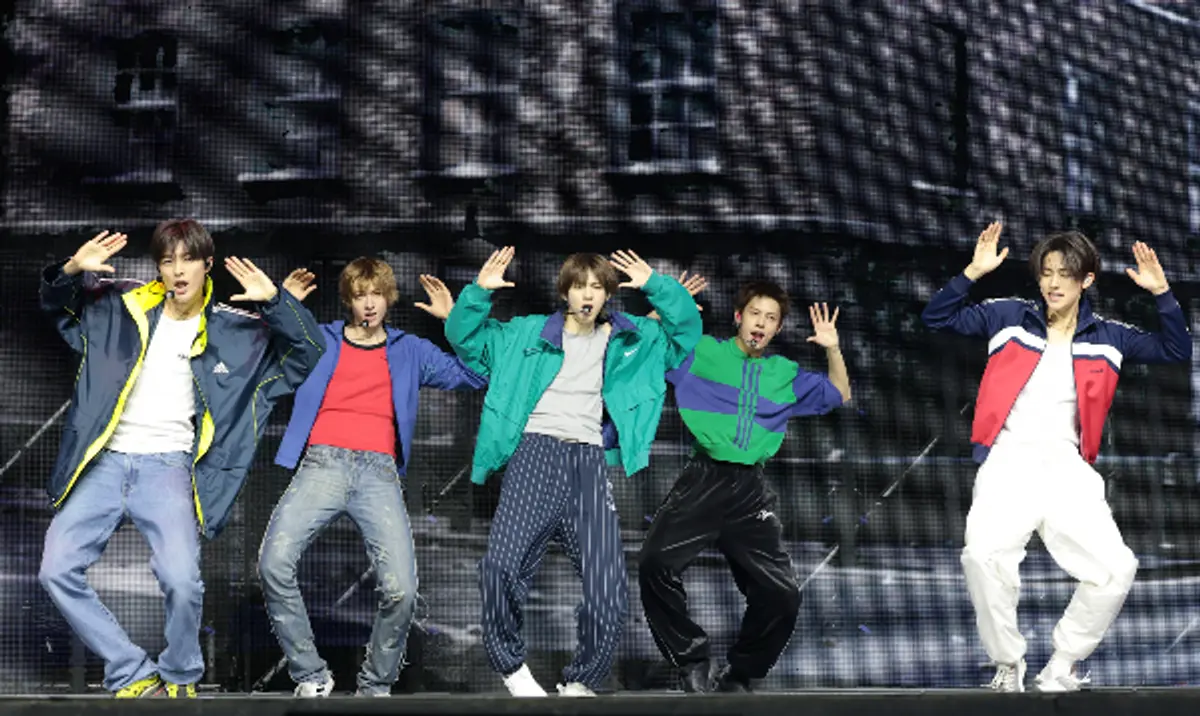
Recently released K-pop songs average around 2 minutes 30 seconds. In the early 2000s, domestic hits ran 4 minutes 1 second. That 90-second gap tells you something real about how TikTok and YouTube Shorts have restructured the genre.
TOURS' OVERDRIVE rode the "Antal Challenge" to 2.3 million related TikTok videos and 4.4 billion cumulative views. Choi Ye-na's Catch Catch, ILELIT's It's Me, and CORTIS's Red Red emerged from this compressed era.
Cultural critic Im Hee-yoon sees it less as a break than an intensification. "K-pop was originally a genre centered on hooks and performance, and with the short-form era, that characteristic has become even more maximized," he said. The genre is "developing in a direction optimized for short-form" given its visual and dance-driven nature.
He doesn't frame it as artistic decline. The standard for what makes a song complete shifts with the media environment. A song without the traditional beginning-development-turn-conclusion structure isn't automatically weaker. (He also notes that lyrical artists like Han Ro-ro and Akmu are drawing renewed attention — a signal worth watching.)
His real worry is structural. K-pop risks repeating Hong Kong action cinema's trajectory—globally dominant, then vanished—if it stays locked in the idol dance lane rather than upgrading and diversifying Korean music as a whole. He wants a music ecosystem with a broadly distributed fanatic base, pointing to Japan as a model. Government support focused exclusively on large agencies and performance metrics, he says, is "an extremely outdated approach."
Cheer the story


